Do you love eating, cooking and sharing? Or even just one of the three? Then your next trip to Morocco will be right up your alley. For a while now I’ve included two experiences in my tours that travelers really love: a Moroccan cooking class and lunch at a Berber family’s home. Let me tell you right away that what awaits you is much more than a tourist activity: you’ll step into two authentic moments that truly let you become part of the local culture.
Just hearing their names, your imagination is probably already picturing what to expect from these experiences, which open the doors to Moroccan homes, kitchens and culinary traditions, especially if you’re a traveler who is attentive and sensitive to local culture.
Joining a lunch in a Berber home and a traditional Moroccan cooking class will let you look at Morocco’s daily life, ancestral traditions and art of hospitality from a unique point of view.
A Moroccan cooking class: don’t just call it a “cooking lesson”

Let me start with a complete sensory and cultural experience. That’s exactly what a cooking class in Morocco is, made up of many stages that together create an authentic activity.
The experience often begins with a visit to the souks to choose fresh ingredients, including the essential local spices, highly prized symbols of Moroccan cuisine. Cumin, sweet paprika, turmeric, Taliouine saffron, cinnamon and ras el hanout: in Moroccan cooking, every spice has a story and a ritual use.
Every Moroccan dish is tied to a moment in life and full of stories and cultural meaning. Couscous is the Friday feast dish, tagine is served to guests, pastilla is for special occasions, tea is a symbol of welcome. The cooking class thus becomes a journey into the country’s values.
The best part is that you’ll be hands-on: you won’t watch a demonstration, you’ll actually cook. You’ll learn to build a tagine layer by layer, work semolina for couscous, make fresh, colorful Moroccan salads, knead khobz bread and prepare mint tea the traditional way. And yes, you’ll be ready to recreate these techniques at home and delight your friends and family when you get back from your vacation in Morocco.
At the end of the class, everyone eats what they’ve made together, often in a lovely setting. It’s a convivial moment that will remind you of a dinner with friends, swapping questions, recipes, curiosities and travel stories, even if you’d never met the other guests before.
Lunch with a Berber family: you’re guests, not tourists
An experience that takes you beneath the surface of your trip and into the roots of Amazigh culture is lunch with a Berber family.
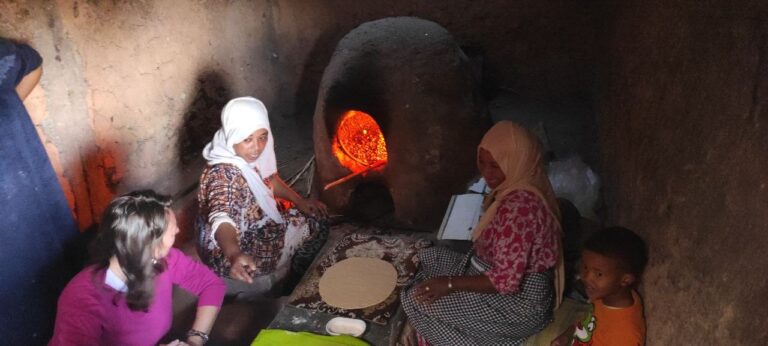
Berber homes are simple, often made of rammed earth or rough brick, but full of human warmth and family atmosphere. They aren’t staged for tourists: everything in the house belongs to real life.
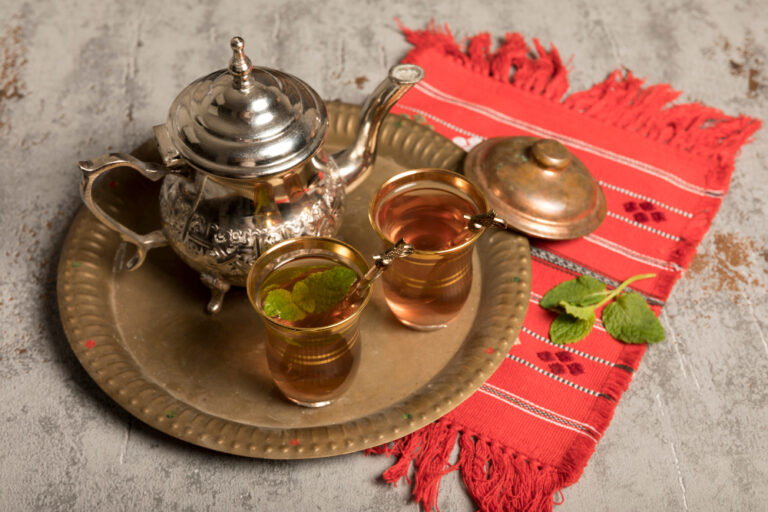
You’ll be welcomed with good mint tea, warm greetings and genuine smiles, since in Morocco a guest is considered a blessing. Every small gesture, from washing hands before the meal to the place of honor given to the guest, is meant to honor your presence in the home.
Then you’ll watch the meal being prepared, from kneading bread baked in the traditional oven to making the tagine, from using spices according to recipes handed down through generations to slow cooking over embers or small local stoves. The result is a simple but memorable meal, with truer flavors than you’ll find in any restaurant.
And what about the glimpse of rural life? This experience is also a real cultural exchange that helps you understand how extended families work, how they balance farm work and home life, what daily roles look like and how life changes between mountains, oases and villages, a piece often missing for travelers who only visit Morocco’s cities.
As for payment for the lunch, it goes directly to the host family, letting you support local micro-economies that rarely benefit from mass tourism.

Two experiences, so much richness and beauty
If you’re wondering why I’m so enthusiastic about these two experiences, there are many reasons. A Moroccan cooking class and a lunch in a Berber home are absolute musts because they’re authentic, free of any “tourist staging” and made only of real life, far from the classic tourist circuits. They help you understand the country and get closer to Moroccan culture better than any guided tour.
You’ll learn something new, from recipes to gestures, from aromas to rituals, tasting real flavors, very different from the tourist versions served in Western-style restaurants. You’ll create personal memories that are hard to describe but impossible to forget, you’ll get closer to people, a core value in Moroccan culture, and you’ll understand their daily life, the rhythm of the countryside and the central role of family and hospitality in Berber culture. And you’ll help local communities directly, concretely and sustainably, by supporting families and small communities.
Above all, your trip will be enriched: far more human, slower and deeper than you could have expected.
Lisa