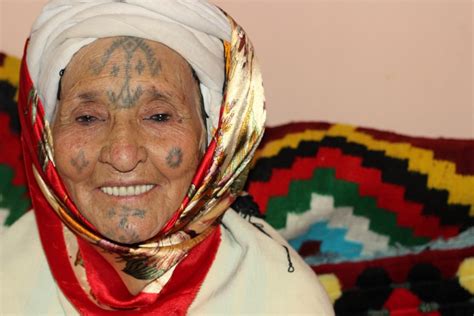
In the silence of remote valleys and the rhythm of Morocco’s traditional music lives a proud people, rooted in the land and guardians of an ancient culture. They are the Amazigh, also known as Berbers, who lived in Morocco long before the arrival of Islam and the Arab dynasties.
Spread from the Rif mountains to the Sahara Desert, the Amazigh are the country’s oldest soul, a presence still tangible today in architecture, spoken languages, textiles, the symbols engraved on jewelry and even the everyday gestures of rural communities. If you’re curious to get to know them, first through these lines and then on a dedicated tour, you’ll come closer to the true essence of Morocco.
The history of the Amazigh: from origins to culture
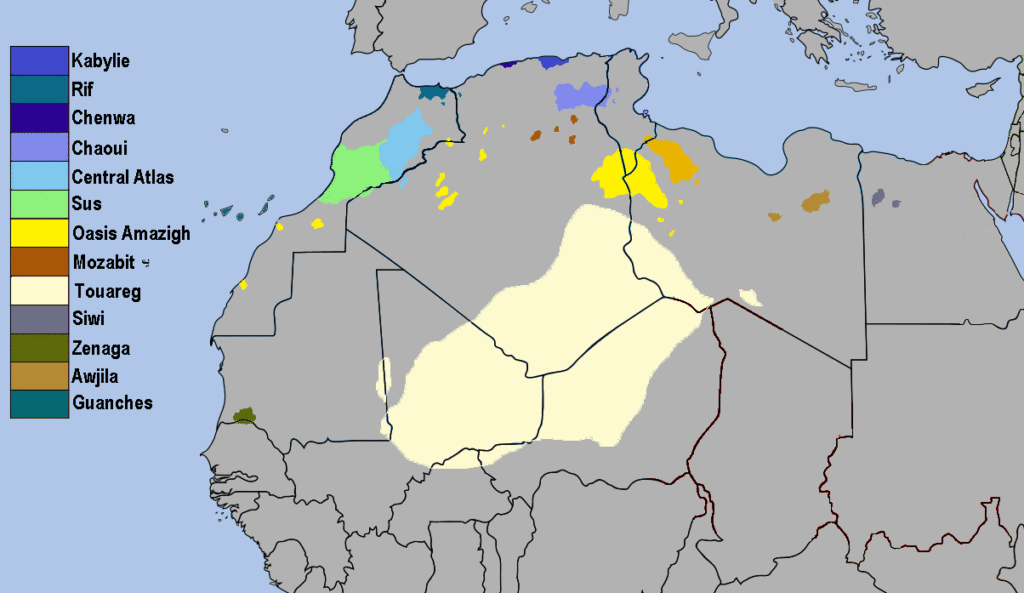
The Amazigh are the original inhabitants of North Africa (Morocco, Algeria, Libya, Tunisia, Egypt, Mauritania), with roots reaching back thousands of years of pre-Islamic and pre-Roman history. Their language, Tamazight, in its various forms, is spoken throughout Morocco, from the Rif to the Atlas and the Sahara. What’s remarkable is that, despite centuries of outside influence, the Amazigh have kept a strong cultural identity, which they still express today through a rich oral tradition, handing down songs, telling legends and passing on craft practices.
Their presence is especially visible in mountain regions, where Berber villages still feature stone and mud architecture that blends perfectly with the surrounding landscape. Each tribe has its own traits, but all share a deep bond with the land and the seasons, since their way of life is still closely tied to the rhythms of nature.
Amazigh culture also shines through in many aspects of daily and artistic life. Weaving is one of the best-known arts, with rugs and blankets decorated with meaningful geometric patterns handed down from generation to generation. The bright colors and stylized shapes are much more than decoration: they represent ancestral symbols of protection, fertility and well-being.
Traditional Amazigh jewelry is also world-famous for its rich symbolism. The beautiful earrings, necklaces and rings you can admire in the souks, often made of silver and decorated with colored stones, express belonging, social status and rites of passage. The engraved or chiseled symbols are ancient amulets against evil and references to nature, like the sun, the eye or the hand of Fatima.
If you love traditional music and dance, you’ll be interested to know they’re another pillar of Amazigh culture. The Amazigh play instruments like the bendir and the ghaita to accompany songs telling stories of life, love, courage and spirituality. During festivals and moussems, these art forms become moments of shared celebration that strengthen social bonds and keep cultural roots alive.
Language and identity: the revival of Tamazight
After centuries of marginalization, the Amazigh language has finally won official recognition in Morocco. In 2011 it was declared an official language alongside Arabic, a crucial step for the protection and promotion of this ancient culture. Public schools have started teaching Tamazight, while initiatives to promote knowledge and use of the language are multiplying in the media and literature.
This linguistic revival has helped spark a rediscovery of identity and pride, especially among younger Amazigh generations. In big cities like Marrakech, Fez and Casablanca, as well as in remote villages, there’s a return to traditions, crafts, music and customs, but with a contemporary outlook that tries to reconcile modernity with attachment to one’s roots.
Today, the Amazigh presence in Morocco is visible not only in rural areas but also in cities, where many young people carry on the tradition in innovative ways, including through cultural, artistic and tourism projects. And if it weren’t for Amazigh women, keepers of ancient knowledge of natural medicine, cooking and crafts, we wouldn’t know many central aspects of these communities today.
Discovering the Amazigh: a journey into nature and authenticity
If you’re thinking of exploring Morocco along Amazigh routes, your trip will be a deep immersion in a world of extraordinary landscapes. In Berber villages, time seems to flow at a different pace, marked by ancient gestures and folk wisdom, which you can discover by visiting traditional kasbahs and craft markets and joining local festivals, where you’ll meet locals who still live by the customs of their ancestors.
Getting to know the Amazigh today means coming closer to one of Morocco’s deepest and most fascinating roots, discovering a people who refuse to be crushed by modernity and keep alive an incredibly rich culture and a history full of art and human values.
Lisa