Among the many reasons travelers from all over the world choose a vacation in Morocco every year, one is the wish to immerse themselves in the country’s boundless nature. Trekking in Morocco is an increasingly popular activity, since there are plenty of places to do it and the emotions it brings are truly intense.
Today I want to tell my readers which trekking routes you can explore in Morocco, on foot or on horseback, to give you an idea of everything you’ll discover and what you’ll need for this kind of experience.
Erg Chigaga
In the deep south of Morocco, in the Drâa-Tafilalet region, on the edge of M’Hamid El Ghizlane, lies the immense Erg Chigaga (or Chegaga), the country’s largest sea of sand. Its wind-sculpted dunes rise up to 300 meters (nearly 1,000 feet), creating an almost unreal landscape where the horizon fades into the golden silence of the Sahara.
It’s a remote but very authentic and fascinating area, and travelers with a touch of adventurous spirit can reach it without much difficulty by 4×4 or by camel, crossing endless open spaces, nomad camps and bivouacs among the dunes. Spending the night among the dunes under a star-studded sky is an experience that stays with you forever, enriched by the absolute silence, the vast landscape and the play of light between the sand and the fire of the sunset, which make the atmosphere almost mystical.
The ideal time to explore Erg Chigaga is spring or fall, when temperatures are more pleasant. In summer the heat can be intense in the middle of the day, so it’s best to plan treks or transfers early in the morning or late in the afternoon. With a little logistical planning, you can let the magic of the desert sweep you away without a hitch.
Dades Gorges
Between the High Atlas and the desert lies the striking Dades Valley, a canyon carved over time by the river of the same name. Ochre rock walls alternate with palm groves and Berber villages, creating incredible scenery. No wonder it’s also called the Valley of a Thousand Kasbahs, for the many old fortresses scattered along the road, which make the gorges especially dramatic.
Here you can enjoy all kinds of walks, from short day hikes of a few hours to longer treks that follow the river or climb the rocky banks. The elevation changes are moderate, with some steep sections but generally accessible, so even less sporty travelers can explore the valley at ease.
The perfect season for this trek is spring, when the vegetation is lush and temperatures mild. As with the previous route, summer heat can make the trails tougher and keep you from fully enjoying the variety of views.
Todra Gorges
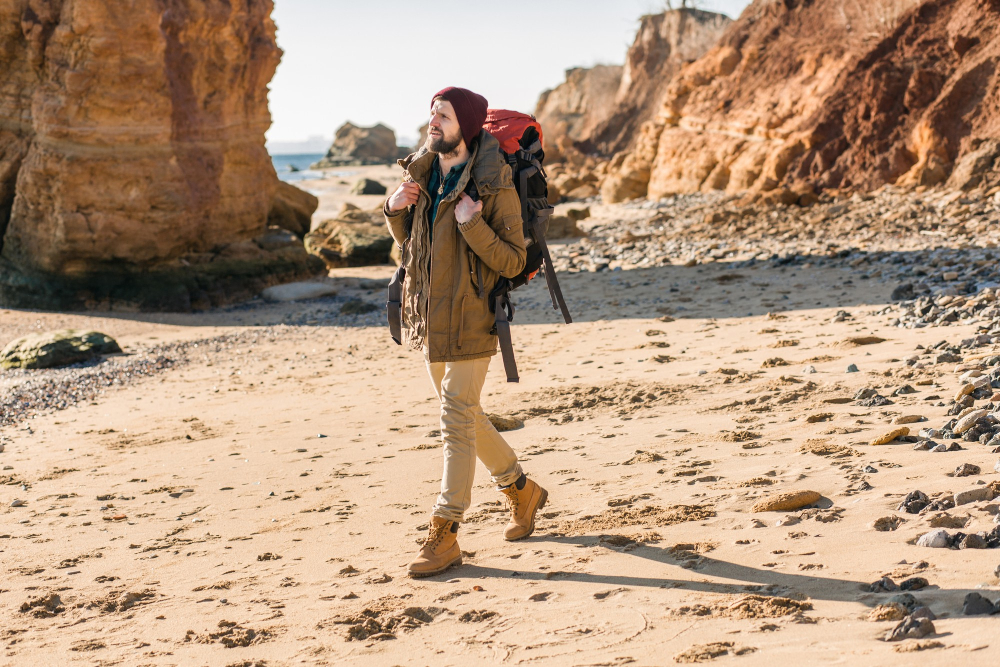
Not far from Tinghir, in the eastern High Atlas, the Todra Gorges are impressive for their sheer scale. The vertical rock walls, up to 300 meters (nearly 1,000 feet) high, narrow in the final stretch to just a few meters wide, creating a spectacular passage where the light changes at every hour of the day.
The trails are mostly flat, with a few more challenging stretches, but no technical gear is needed, so walking along the Todra River is truly within everyone’s reach. This hike can be combined with the Dades Valley, since the two are very close, separated only by small Berber villages and mountain landscapes.
Although the gorges can be visited all year round, summer included, thanks to the shade and natural coolness inside the canyon, it’s always best to avoid the hottest hours of the day. In rainy periods you need to keep an eye on the water level, which can rise quickly, but with good hiking boots and a local guide with you the whole way, you’ll be safe and can even explore less-traveled stretches.
Valley of Roses
At the foot of the High Atlas, around Kelaat M’Gouna, lies the famous Valley of Roses, an oasis of greenery and fragrance where Damask roses are grown. Their petals are picked at dawn to make essences and rosewater, precious ingredients in traditional Moroccan perfumery and cosmetics.
The trails crossing the flowering fields, small canyons and Berber villages are perfect for anyone who loves slow trekking and enjoys a very sensory experience of scents, colors and authentic landscapes. You don’t need much physical preparation for this route: just walk at an easy pace and savor the beauty.
The most magical time is May, or spring in general, when the roses are in full bloom and the Rose Festival fills the whole valley with music, dancing and fragrance.
Akchour Waterfalls
In northern Morocco, near Chefchaouen, in the Rif mountains, the Akchour Waterfalls offer a natural spectacle surrounded by greenery. The vegetation is lush and the water forms natural pools among the rocks, perfect for a refreshing break along the way. The path to the falls is relatively easy: you don’t need to be an experienced hiker to reach the smaller waterfalls. You’ll also be fascinated by God’s Bridge, a striking natural rock arch spanning the canyon and one of the area’s most iconic sights.
Being greener and more humid than southern Morocco, the area can stay cooler even in summer, though in that season some waterfalls may have less water if there hasn’t been recent rain.
With a good pair of waterproof shoes, since in places you’ll wade across the stream or walk on wet rocks, Akchour is a perfect stop for anyone looking for an experience full of nature, relaxation and discovery.
If you love trekking and are planning a vacation in Morocco, now you know there’s no shortage of places to do it. Just follow a few practical precautions (for example, it can be very useful to take out travel insurance that also covers sports mishaps) to enjoy the trails safely and let Morocco’s landscapes enchant you.
Lisa