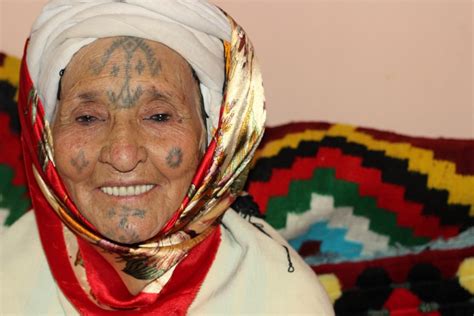
One of the important discoveries you’ll make on my tours in Morocco concerns symbolism, something very important to Moroccans and expressed through tattoos. I’ve already told you about tattoos as a vehicle of identity, of belonging to Amazigh culture, of protection and healing, and even about their role in sacred rituals in my article on Berber tattoos, and now it’s time to introduce you to the history and culture behind henna tattoos.
The origins and history of henna tattoos
Even if you’ve never been to Morocco, you’ve probably seen these works of art on TV, adorning hands and feet, made with a colored dye derived from the powdered leaves of the Lawsonia inermis plant. A must for decorating brides, Moroccan henna tattoos are one of the most meaningful symbols of this culture.
The Lawsonia inermis plant grows abundantly across much of the Middle East and North Africa, and is native to Asia Minor and the subtropical and tropical highlands of east-central Africa, so it was only natural that its dyeing properties (as well as its many healing properties) would be put to use. Drying and grinding the branches and leaves produces a powder ranging from yellowish green to light brown, depending on the proportion of leaves to branches. The best-quality henna is made from the leaves alone.
Used for centuries as a natural hair dye, henna was at first reserved for Babylonian, Assyrian and Sumerian kings and priests, and only on important occasions. Over time, however, henna tattooing spread throughout the Mediterranean, and the Islamic world made it one of its most popular customs. Its spread was sealed by the Prophet Muhammad, who recommended henna hair dye for men and henna tattoos for women.
But there are traces of decorative henna use dating back many centuries earlier, around 1400 BC, as shown by artifacts found in Iraq, Palestine and Egypt depicting young women with hands and nails decorated with henna.
Later, though, the art of henna tattooing was banned by the Church, which considered it a pagan practice linked to witchcraft. With the arrival of Islam, Muslim peoples brought back the traditional use of henna tattoos. Permanent tattoos, on the other hand, are forbidden in Islam.
Soon, in fact, this dye became a fixture at every Muslim wedding ceremony, and to this day henna tattoos are a “garment” that beautifies brides’ skin, especially in Morocco. A whole day is even dedicated to decorating the bride with henna.
Moroccan tradition links henna to the idea of “passage”, so henna designs are drawn to celebrate moments of transition, like a woman becoming a bride. Henna is also believed to bring good luck, which is why the skin is dyed with henna to wish the marriage good fortune.
Besides weddings, in other areas henna is used in ceremonies celebrating births, circumcisions and many other festivities, including the end of Ramadan, again as a good-luck symbol.
At the end of the 19th century, henna dye also spread to Europe, and today it’s widely used to nourish, strengthen and add shine to hair, to reduce oily scalp and dandruff, and to create copper highlights in brown or black hair.
In North Africa and India, henna has long been at the heart of what can truly be called an art of tattooing, one that has made tattooing a sacred ritual. Berber women express this art through their own skin, telling ancestral rites on their bodies.
Although it belongs mainly to Asian symbolism, the “Hand of Fatima” henna tattoo is very famous and traditionally considered a Muslim symbol. A popular legend tells of Fatima, daughter of the Prophet Muhammad: one day she saw her husband Ali with another woman and, mad with jealousy, plunged her hand into a pot of boiling water. Her husband saw her and rushed to save her, and Fatima forgave him thanks to his gesture and the love he showed her. That’s why the Hand of Fatima tattoo is associated with the meaning of protection (if the hand points upward) or of receiving gifts from the Universe (if the hand points downward), but in general it symbolizes luck, spiritual devotion, maternal love and purity.

Ritual henna tattoos: tips to make them last longer
In the streets and squares of Morocco you’ll meet lots of women doing henna tattoos, and resisting the temptation won’t be easy. Going home with a tattoo as a souvenir, a symbol of immersion in the local culture, is something many travelers love to do. I recommend checking that it’s natural, brown henna: black henna in Morocco is chemical and can cause allergies and irritation.
But how long does a henna tattoo last? It varies: the dye usually starts to fade and flake after one to two weeks, but it all depends on how you treat it before and after. Ahead of your trip to Morocco, if you’re thinking of getting a temporary henna tattoo, I recommend applying almond oil to the area a few days before and massaging it in until fully absorbed; after about half an hour, scrub the skin with a soapy loofah to remove dead cells, so the design is drawn on fresh skin and lasts longer.
Right after getting the tattoo, avoid touching the dye, because the henna paste is wet and can smudge the design. Although it usually dries in 15–20 minutes, it’s best to wait 30 minutes to avoid staining your clothes or ruining the design. If you can, leaving the paste on for at least 6 hours, or even overnight, after gently dabbing on a mix of sugar and lemon juice or sugar and tea, is the best way to make the tattoo last longer, keep it hydrated and darken the design.
The next day, the henna paste will have dried, so scrape off the excess and rinse your skin with room-temperature water, avoiding soap on the fresh henna.
In the weeks after the tattoo, it’s important to keep your skin moisturized and avoid hot, humid conditions that make it fade faster, wash it only with gentle, natural cleansers without scrubbing, and wear gloves when washing dishes or using household cleaning products.
Lisa