Are you vegetarian and planning to visit Morocco? Welcome, you’re in the right place.
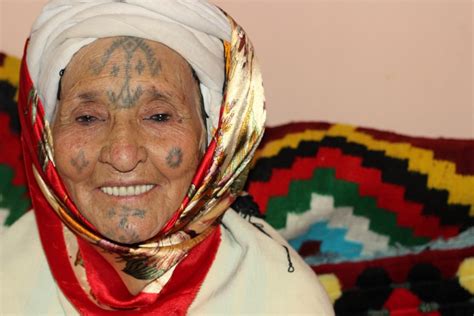
When you think of Morocco, the Sahara Desert, the imperial cities, the hammam, Berber tattoos and the hookah immediately come to mind, but so does the deliciousness of Moroccan cuisine. There aren’t that many traditional Moroccan dishes, but each one is better than the last. Above all, they’re made both with meat or fish and in vegetarian versions, always with fresh ingredients.
If you’re a true traveler, a tourist who respects Moroccan culture, and you want to dive as deep as possible into the customs and traditions of the Berber people, you simply have to taste the traditional dishes of Moroccan cuisine.
There are plenty of meat and fish dishes, but travelers on a vegetarian diet won’t go hungry either. In fact, even omnivores often order dishes made only with vegetables and legumes, whose flavors and aromas fill the alleys and markets of Berber towns.
Moroccan cuisine includes many dishes based on grains, legumes and vegetables, each tastier and more fragrant than the last. Here’s the menu.
Vegetable couscous
If you’re planning a trip to Morocco, get ready to eat the king of Moroccan cuisine (and of North African cuisine in general): couscous. Delicious with meat or fish as well as in vegetarian or vegan versions, couscous is made from very fine semolina grains and is prepared at home by Moroccan families, traditionally on Fridays.
It’s steamed in a pot with a blend of spices, and then various vegetables are added according to personal taste. The classic vegetable couscous recipe uses eggplant, zucchini, tomatoes, carrots and onions. When in season, pumpkin or fava beans are added too. The flavor is unmistakable and the aroma intoxicating, a treat for the nose and the palate.

Vegetarian harira
A classic soup of the Moroccan iftar (the big meal Muslims eat at sunset during the month of Ramadan), harira is a very nourishing and hydrating dish. It’s made with chickpeas and red lentils, onion, tomato paste, celery and lemon, flavored with spices like turmeric, saffron, cumin, ginger, cinnamon and fresh cilantro. It’s usually served with rice or very thin noodles, added at the end of cooking.
The traditional recipe for Moroccan harira also includes lamb or beef meatballs, cooked in the soup.
Vegetable tagine
Another unmistakable traditional dish of Moroccan cuisine is tagine. The recipe is named after the traditional clay pot (and the cooking method itself), the tagine, which has a cone-shaped lid designed to concentrate the slow-cooking toward the center and channel the steam upward.
It’s made with seasonal vegetables plus the ever-present potatoes, onions and spice mix, including chili pepper or harissa.
Moroccan salad
Of course, salads are a big part of vegetarian food in Morocco. A classic is the Moroccan salad, made with cucumbers and tomatoes, but people also often order the mixed salad, with lettuce, beets and carrots, served with rice.
Msemen
One of Morocco’s specialties is msemen, a kind of crêpe made with water and flour, without yeast. The dough is left to rest and then cooked in a pan with oil (some Moroccans use butter). It’s usually served at breakfast or as an afternoon snack with jam, but it also goes with savory dishes or is eaten on its own with tomatoes and peppers (omnivores add chicken or ground meat).
Baghrir
Similar to pancakes, very fluffy but full of little holes, baghrir are one of the most popular Moroccan sweets. Made with flour, semolina, salt, butter, yeast and honey, baghrir are eaten plain with sweet mint tea, or topped with butter and honey, jam or hazelnut spread.

At the Moroccan table: the essential local products
Whatever your diet, every time a traveler sits down at a Moroccan table, olives and tea will be waiting. These products are the culinary symbols of this North African country (Morocco is one of the world’s leading olive producers) and every traveler loves them.
Olives are eaten on their own or with msemen, and they’re also a great ingredient in tagines and salads. In Italy, people love “Moroccan-style olives”: olives brined with garlic and chili pepper.
Green mint tea is the most popular drink in Morocco, an alcohol-free culture, and it’s the symbol of Moroccan hospitality. The host prepares it for guests and serves it, with plenty of sugar, from a silver teapot, pouring from high up to aerate it before it reaches the characteristic glasses: the more refined the craftsmanship and the more precious the materials, the higher the family’s social standing.
So now that you know what to eat in Morocco as a vegetarian, all that’s left is to book your ticket and let yourself be swept away by its flavors and scents.
Lisa