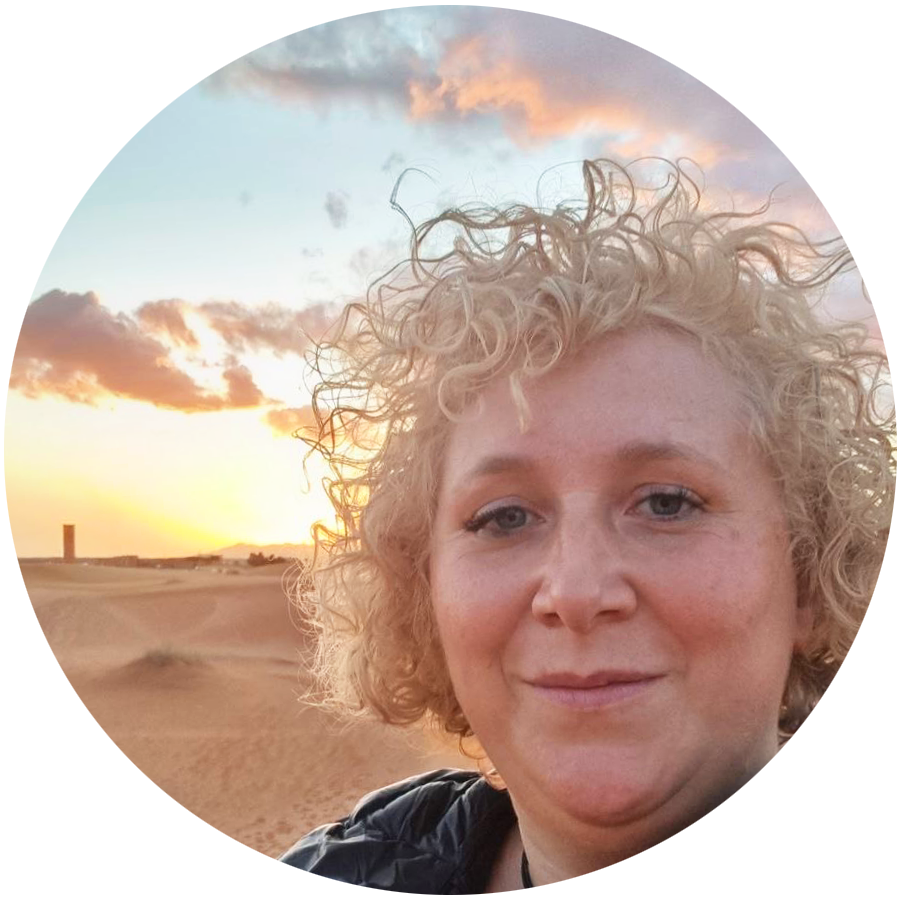
One of the main reasons people choose to visit Morocco is to take a trip into the desert, the dream of every adventurous traveler. It’s the kind of experience you’ll probably have once in a lifetime, and only those lucky enough to live it can truly understand its magic.
An excursion to one of Morocco’s two main deserts, the Merzouga desert and the desert of M’Hamid, offers powerful emotions by day and by night. Starting with the wonder of gazing at a starry sky so bright it feels close enough to touch, like few others in the world, since the nearest towns are far enough away to eliminate light pollution.
Sleeping in the desert in Morocco
Spending a night in the desert is an adventure you simply can’t miss on your trip to Morocco, because it lets you enjoy the silence of the desert and sleep in a camp under the stars or in a Berber settlement.
Of course, you’ll want to rely on a tour operator who will give you all the useful information, plan every transfer and your overnight stay, and take you to discover the most unmissable dunes.
Morocco is the gateway to the Sahara, the largest hot desert in the world, a magical place with timeless charm, and to make the most of this experience you need to arrive prepared and aware of what lies ahead. There will be no shortage of surprises in that endless expanse of sand, and what unfolds before your eyes will feel like a dream come true.
If you want to collect an adrenaline-filled memory, the experience I recommend is spending a night in a tent in the Sahara Desert, entering through one of its two main gateways, Merzouga and M’Hamid, known for their majestic sand dunes up to 150 meters (nearly 500 feet) high. Their colors change throughout the day, from a dazzling gold in daylight to a warm, enveloping orange as the sun sets and creates magical plays of light, to a deep red just before the shadows of night take over.
If you want to connect with the true spirit of the local people, you’ll love spending the night in the desert in one of the many traditional tents: your expectations will be far exceeded.

A night in the desert: what you need to know to arrive prepared
If you’ve chosen to spend a night in the desert as the highlight of your vacation in Morocco, you’ll need to prepare properly so you can enjoy it in the most pleasant and safe way. I’m an expert on this destination and I’ll try to guide you through every detail. That said, a trip to Morocco can also be organized on your own without major problems.
When is the best time to sleep in the desert?
My first tip is to plan your trip to Morocco for the months between October and May, the best time to spend a night in the Moroccan desert. From June to August the heat is scorching and many daytime activities are impossible. It’s hot at night too, and most tents don’t have air conditioning, since electricity comes from a generator. December and January are very cold, so you’ll need to come well equipped, even though the tents have blankets and quilts.
But if you find warm temperatures, don’t miss the chance to sleep outside the tent, with nothing but a blanket of stars over you.
What to wear to sleep in a tent in the desert?
There’s a big temperature swing between day and night in the Moroccan desert, because the heat of the day gives way to a cold and often windy night with much lower temperatures. That’s why I recommend packing warm clothes like a wool sweater, a windbreaker, fleece-lined pants, socks and thermal underwear; in summer, a light sweatshirt and a windbreaker are enough, plus a scarf or foulard to wear as a turban to protect you from the sun and sand during the day.
Of course, you’ll need comfortable and sturdy hiking shoes, essential for exploring the dunes, plus long-sleeved shirts and loose cotton or linen pants to protect your skin from the sun as much as possible during daytime excursions, perhaps on the back of a camel.
What to pack in your backpack to visit and sleep in the desert?
Don’t forget to bring sunscreen and lip balm, a bottle of fresh water and a good case to protect your camera from the sand. A pocket flashlight with spare batteries also comes in very handy at night in the desert (although the tents have electric lamps, and if there’s a moon it will light up everything around you), along with a portable phone charger (although you’ll need to buy a local SIM card to get a connection), toilet paper or wet wipes, a small basic first-aid kit and a trash bag.
Pack everything into a backpack or a shoulder bag, so you can carry what you need comfortably.

A night in the desert: what to do
The local Berber people will suggest a camel ride, but keep in mind that the ride is very slow, so you’ll need to plan your timing carefully so you don’t miss the wonder of the sunset over the desert.
Watching the Sahara dunes turn orange and pink is like stepping into a painting, an experience that fills both your eyes and your heart. Speaking of eyes: if you wear contact lenses, leave them out in the desert. The sand is incredibly fine and would really irritate your eyes. It’s much better to wear glasses or, if you really can’t stand them, daily disposable lenses.
If you suffer from seasickness or motion sickness, the camel ride probably won’t be a pleasant experience, because of its rocking gait. In any case, remember to lean back slightly, especially on the way down, so you don’t tip too far forward.
But after the sunset, another experience not to miss is watching the sunrise in the Moroccan desert. Enjoying a hearty breakfast of local Berber dishes and freshening up with traditional black soap, lit by the first light of dawn, creates a truly special atmosphere.
Lisa